If you hear scratching or scurrying noises in your loft, you may have a rat infestation. Rats can cause serious damage to your property by chewing wires and pipes. They also spread disease and create a generally unpleasant living environment. Getting rid of rats in your loft can be challenging, but with the right approach, you can successfully eliminate them. Here are some tips on getting rid of rats in your loft.
Rats in your loft right now? ⏰
If you’ve heard loud noises, banging and scratching from your loft, or seen large droppings, you are likely to have rats in your loft. Rats are more destructive than mice and can chew through cables or pipes. You must act quickly to prevent extensive damage.
If you’re in Oxfordshire, or anywhere across the South East, South West, Midlands & London, Total Pest Control can help. Contact us now for a guaranteed visit in 24 hours.
Call 0800 772 0554 ⏰
Signs You Have Rats in Your Loft
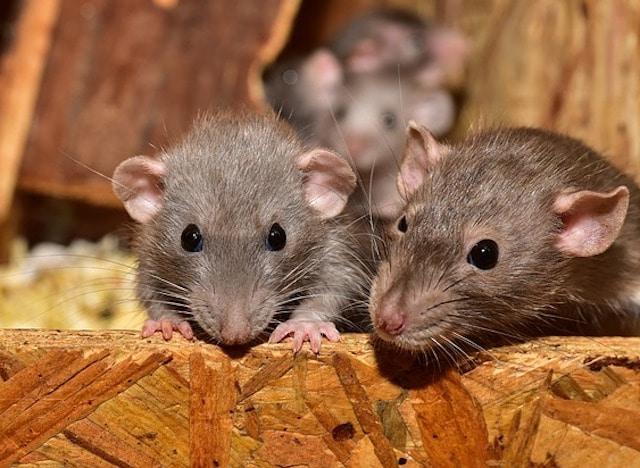
Lofts are a common place for rats to nest. One of the primary reasons is that rats are very shy and avoid humans and other animals. Attic and loft spaces are infrequently visited by people, making them an ideal spot for rodents. They are also warm, have plenty of nesting materials, and gaps in the loft make it easy for rats to get into wall cavities and travel around your house to look for food.
Rats are mainly active at night, so spotting them during the day is uncommon. However, there are clear indicators of their presence. Below are some signs you may have rats in the loft:
Droppings: Small, dark pellets are often found along beams, near stored items, or along walls. Rat pellets are significantly larger than mice droppings – about the length of a 1 pence piece, so larger droppings are an indication of rats rather than mice.
Gnaw Marks: Rats constantly chew on wood, wires, insulation, and other materials to maintain their teeth.
Noises: Scratching, scuttling, or squeaking sounds—particularly after dark—can reveal activity.
Nesting Materials: Shredded paper, fabric, or insulation tucked into corners often signals a nest.
Footprints: Lightly dusty areas might show small footprints or faint tail trails left by rats.
Spotting these signs early allows you to tackle the problem and limit the damage before it escalates. Rats are more destructive than other pests, such as mice, so it’s important to tackle any rat intruders immediately.
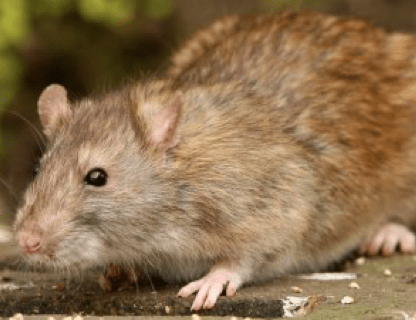
Do I Have Rats or Mice in my Loft?
If you can hear scuffling, banging or chewing, you probably have a rat problem, rather than a mouse problem. Due to their larger size, rats are much noisier than mice. If you’ve been finding very small droppings and small chew marks but haven’t heard noise, then you could be looking at a mouse infestation. On the other hand, rats leave much larger droppings (about the size of a 1-pence piece) and can cause fairly extensive damage through chewing.
Why Rats in the Loft Are a Problem
Beyond being a nuisance, rats in the loft can pose serious risks to both your property and your health.
They chew on beams, wiring, and insulation, which can weaken the structure and even create potential fire hazards. As well as wires, rats commonly chew through pipes, which can lead to leaks and potentially extensive damage if not caught quickly.
Rat droppings and urine carry harmful bacteria, including salmonella and leptospirosis, which can contaminate insulation and stored items.
If left unchecked, rats reproduce rapidly, making infestations harder and more costly to remove.
Prompt action is essential to reduce these dangers and protect your home.
How to Get Rid of Rats from Your Loft
Effective rat control requires a combination of prevention, removal, and ongoing monitoring.
We do highly recommend calling in expert help. DIY methods can reduce the number of rats, but can make it harder to get rid of them completely. Because rats are both relatively intelligent and neophobic (they don’t like new things), they quickly learn to avoid certain traps and are resistant to investigating new methods of removal. DIY rat control products can therefore make it harder for professionals in the future. If possible, work with a professional rat control company from the start.
The following practical steps can help you safely and efficiently get rid of rats from your loft space:
1. Stop rats getting into your home
Rats can squeeze through tiny gaps, so carefully inspect your loft for potential entryways, including:
- Spaces around vents, pipes, and chimneys
- Holes in walls, roof tiles, or fascia boards
- Gaps around windows or doors
Use sturdy materials like metal mesh, steel wool, expanding foam, or cement to seal all openings. This helps to keep rats out and prevents them from finding their way back into the loft.
Rats can climb trees to reach roof entry points, so keep trees and tall foliage trimmed.
2. Remove Food and Water Sources
Rats are naturally drawn to areas where food and water are easily available. Reduce this appeal by:
- Storing food securely, such as in jars and sealed boxes
- Storing pet food in sealed containers
- Cleaning any spills and crumbs from your home and ensuring pet food isn’t left out overnight
- Fixing leaks and removing standing water
- Tidying garden waste or compost near the property
Limiting these resources makes your loft less inviting and supports other pest control measures.
3. Use Traps Strategically
Traps can be an effective way to quickly reduce rat numbers, helping to control the infestation while you address other preventive measures in your loft. Common traps may include:
Snap Traps: Provide an instant solution and work best along walls or near nests.
Electronic Traps: Deliver a high-voltage shock, offering a modern alternative.
Live Traps: Capture rats for release, if local regulations allow.
Place traps in areas where signs of activity are most obvious and bait them with foods like peanut butter, nuts, or dried fruit. Rats are neophobic – reluctant to investigate new things – so food will help to lure them into traps.
Place traps in areas where signs of activity are most obvious and bait them with foods like peanut butter, nuts, or dried fruit. Rats are neophobic – reluctant to investigate new things – so food will help to lure them into traps.
Try pre-baiting
Add food to unset traps and leave them in the loft for rats to eat. This helps them overcome their neophobia and get used to interacting with the traps. After a few days, place set traps with food. Rats are more likely to take the bait.
It’s also worth noting that rats can learn from experience. Setting traps yourself can reduce the number of rats, but might not eliminate them, while making it harder for professionals to take effective action in the future. If you have a rat infestation, we highly recommend talking to professionals from the start.
4. Consider Rodenticides with Care
Rodenticides can be effective but should be used responsibly. Only use products approved for domestic settings and follow all safety instructions to protect children and pets. Severe infestations are best handled by professional technicians to ensure safe and effective application.
Rodenticides and poison can also mean rats die in inaccessible areas of your home. This will lead to bad smells and fly problems that are difficult to sort, so consider using traps rather than poison as a first port of call.
5. Maintain Loft Cleanliness
Preventing reinfestation is as important as removal when it comes to rodents. Keep your loft tidy by:
- Regularly checking for signs of rats
- Storing food and waste securely
- Maintaining insulation and repairing any damage
- Consistent upkeep reduces the risk of rats returning.
Consistent upkeep reduces the risk of rats returning and helps ensure your loft remains free from pests. Our experienced technicians can advise on cleanliness measures to ensure prevention.
Keeping other areas of your home and garden clean and clear can also help to prevent rats in your loft. For example, keeping shrubs and undergrowth in the garden trimmed can prevent rats from nesting nearby outdoors and coming into your home.
If you think neighbouring properties are the cause of your rat infestation, you can contact your local council (Environmental Health department) for support and advice.
When to Call a Professional
While some infestations can be managed independently, many homeowners benefit from professional intervention. Total Pest Control has over thirty years of experience in helping customers remove rats from their lofts. Our domestic pest control service is fast, effective, and competitively priced. With a 4.7/5 rating on Trustpilot, our team will conduct an initial inspection, identify all entry points, safely implement traps and provide long-term prevention strategies.
For more established rat problems, we also offer a specialised loft insulation removal service.
Conclusion
Dealing with rats in the loft requires vigilance, practical strategies, and professional support if the severity of the infestation requires it. Identifying early signs, sealing entry points, removing food sources, and using traps effectively are key to getting rid of rats from the loft efficiently.
For more advice or to book an inspection, call us on 0800 7720554 or click here to send an online enquiry.
Call for a quote on
0800 772 0554